Great Leafy, Non-Headed Cabbage *
Hail to Kale from the Isle of Skye
On Skye some of the old walled areas we saw as parts of cottages or farms appar were for growing kale, that strong very strong vegetable in the cabbage-brussels sprouts etc family. There are no identifying signs, but we found this bit of history through serendipity.
1. History. Kale-type veggies have been cultivated since the Fifth Century BC, at least, see http://www.veraveg.org/Veg%20History/Veg%20History%20Kale.html. Kale: Scots. Kohl: German. It was native to the Middle East, perhaps brought to the British Isles by the Romans, a staple also of the lower classes, workers, peasants, throughout the Middle Ages. The forced depopulation of Scotland brought about a decline in kale-demand, as the wealthier apparently preferred the more delicate cabbage.
Kale recipes as meme: In early days, preserved in salt, in barrels. Cooked down and down. It grew well on the rough ground of the Scottish Isles. More: http://www.cookthink.com/reference/2561/Root_Source:_Kale.
For any beleaguered family cook thinking she is unique in imagining crispy kale, not so. It is all over. See the added perk of kale at http://www.vegetariantimes.com/recipe/crispy-kale-leaves/
Skip viagra. Try kale. Then let us know. Go out to dinner with the money saved.
2. Kailfield. Also a name, derogatory, for a group of Scottish writers, whose number included James M. Barrie, who wrote Peter Pan. Veraveg site. We saw no tribute to Barrie in Scotland, but did in London, of course, at Kensington Gardens. Tried a search for Kailfield, and came up instead with Kailyard, as the name for the group idealizing Scotland in a nostalgic way, see http://www.britannia.org/scotland/scotsdictionary/k.shtml. Also Kail-yard.
3. At home
- Kale recipe. Kale in the Morning. Coffee and Kale.
Kale despite them.
- Wash, snip out the stem (put in the processor with a clove of garlic, salt, and any nuts, and drizzle in olive oil for a kind of pesto) and roughly break apart tough leaves.
- Drizzle a little olive oil in a pan, toss in the kale, and sizzle until fragrant and crisping
- Dump on paper towels, drain.
- Dump on cookie sheet, add salt, and roast until crisp, about 10 minutes, say 375, watching and stirring occasionally. Better than chips.
* http://aggie-horticulture.tamu.edu/archives/parsons/publications/vegetabletravelers/kale.html


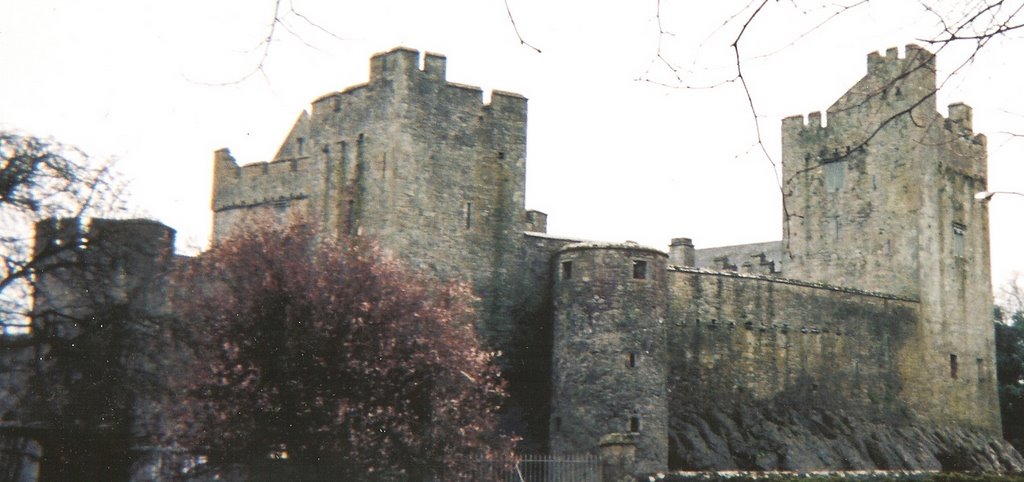 Skye, Dunvegan Castle, Scotland
 Skye, Grave of Flora MacDonald who helped Bonnie Prince Charlie escape after his defeat at Culloden, 1746